Explore centuries of Ottoman and Venetian history through North Cyprus's mosques, caravanserais, fortifications, and Gothic churches.
North Cyprus serves as a living museum where the architectural prowess of the Venetian Republic meets the intricate designs of the Ottoman Empire. From the fortified walls of Famagusta to the grand inns of Nicosia, these historic sites tell a story of conquest, trade, and cultural fusion.
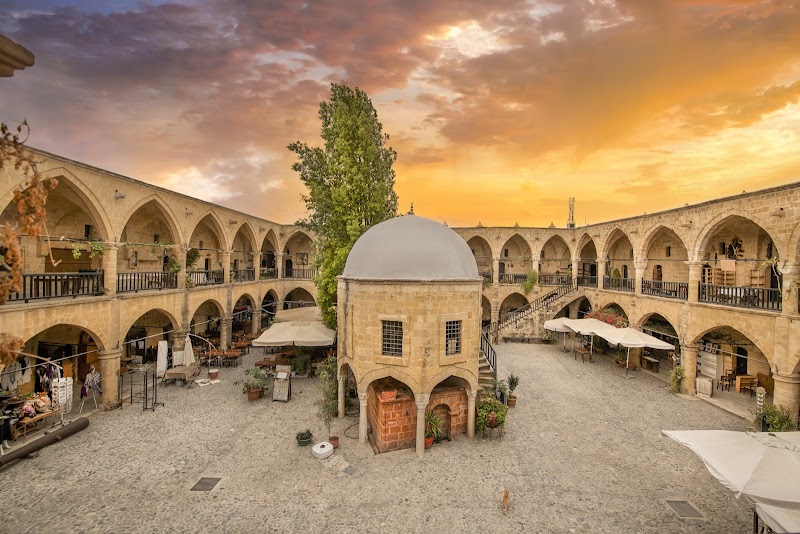
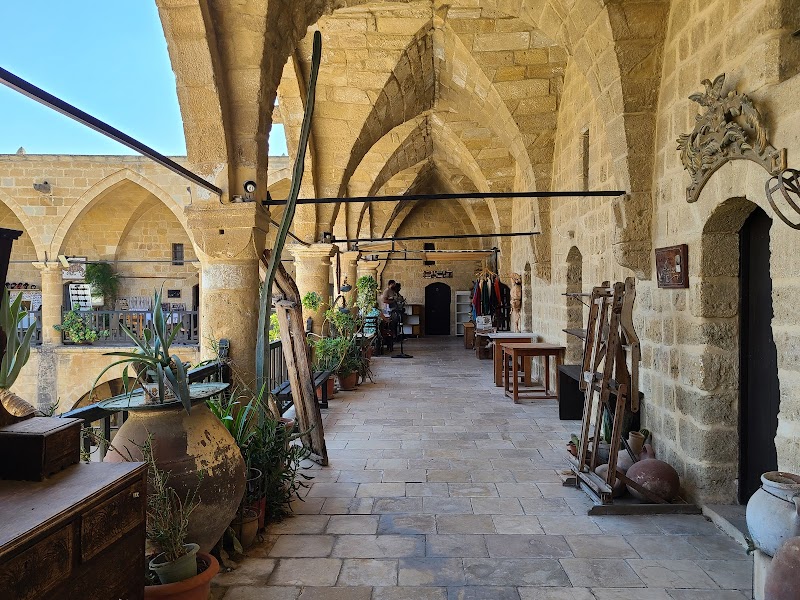
The Büyük Han is perhaps the finest example of Ottoman architecture on the island. Built in 1572, this 'Great Inn' provided shelter for merchants and travelers, featuring a central prayer room and a beautiful open courtyard that now houses local artisan shops.
Visit the Büyük Han in the morning to enjoy a traditional Turkish coffee in the courtyard before the midday heat.
In Famagusta, the transition from Gothic to Ottoman is most visible at the Lala Mustafa Pasha Mosque. Originally the Cathedral of Saint Nicholas, its exterior remains a masterpiece of French Gothic architecture, while the interior was adapted for Islamic worship following the Ottoman conquest.
Nearby, you can explore the darker side of history at the Namık Kemal Dungeon, where the famous Turkish playwright was imprisoned by the Ottomans.
The Büyük Han in Nicosia is widely considered the most significant and best-preserved example of Ottoman architecture on the island.
Yes, most sites like the Büyük Han and Lala Mustafa Pasha Mosque are open to visitors, though appropriate dress is required for active places of worship.