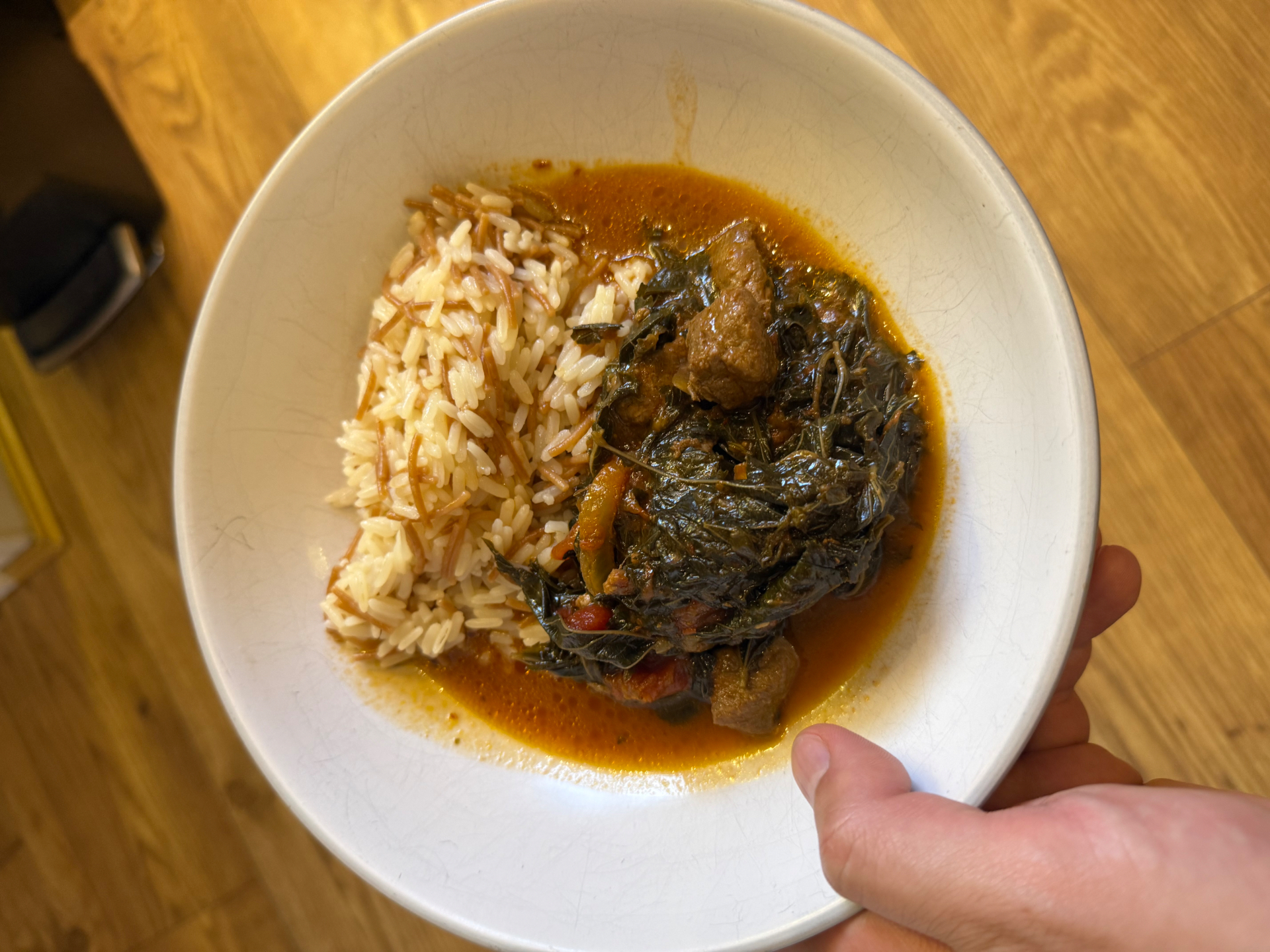
Molohiya is a traditional North Cypriot stew made from jute mallow leaves, often with chicken or lamb, served with lemon and rice.
Molohiya, also known as Mulukhiyah or Jute Mallow, is a traditional and much-loved Cypriot dish, particularly prevalent in North Cyprus. It's a hearty stew made from the leaves of the molohiya plant, often cooked with chicken, lamb, or beef, and served with lemon and rice. This guide provides a comprehensive understanding of molohiya, including a traditional North Cyprus recipe, its cultural significance, and where to experience it during your visit.
The star of this dish is the molohiya plant itself (Corchorus olitorius), a leafy green vegetable that thrives in warm climates. In North Cyprus, it's often grown locally, and you'll find fresh leaves in season at markets across the island, from the bustling stalls of Nicosia (Lefkoşa) to the smaller village markets in areas like Güzelyurt. The leaves are typically dried for use throughout the year, giving the dish a distinct flavour and texture when rehydrated. When cooked, molohiya leaves release a mucilaginous substance, similar to okra, which gives the stew its characteristic slightly viscous consistency.
Culturally, molohiya is more than just a meal; it's a staple of Cypriot home cooking, often prepared for family gatherings and special occasions. Its preparation is a skill passed down through generations, and every family will have its own subtle variations. While the core ingredients remain consistent, the precise balance of spices or the choice of meat can differ significantly from one household to another.
This recipe focuses on the chicken version, which is one of the most common preparations. Lamb and beef are also popular choices, with beef typically being the most popular, offering a richer, heartier flavour profile. Adjust the cooking time accordingly if using lamb or beef, as they may require longer simmering to become tender. This recipe is designed for approximately 4-6 servings.
1. Prepare the Molohiya: If using dried molohiya, place the leaves in a large bowl and cover with warm water. Let them soak for at least 30-60 minutes, or until softened. Drain thoroughly, squeezing out excess water. If using fresh molohiya, wash the leaves well and chop them roughly. Some cooks prefer to blanch fresh molohiya briefly to reduce any sliminess, but it's not strictly necessary.
2. Cook the Chicken: In a large, heavy-bottomed pot or Dutch oven, heat the olive oil over medium-high heat. Add the chicken pieces and brown them on all sides. Remove the chicken and set aside.
3. Sauté Aromatics: In the same pot, add the chopped onions and sauté until softened and translucent, about 5-7 minutes. Add the minced garlic and cook for another 1-2 minutes until fragrant, being careful not to burn it.
4. Build the Base: Stir in the tomato paste and cook for 1 minute, then add the chopped tomatoes, ground coriander, cumin, black pepper, and salt. Cook for 5-7 minutes, stirring occasionally, until the tomatoes have broken down slightly and the sauce has thickened.
5. Combine and Simmer: Return the browned chicken to the pot. Add the rehydrated (or fresh) molohiya leaves. Pour in the hot water or chicken stock, ensuring the molohiya is mostly submerged. Bring to a boil, then reduce the heat to low, cover, and simmer for at least 1-1.5 hours, or until the chicken is very tender and the molohiya is thoroughly cooked. The longer it simmers, the more the flavours meld.
6. Finish with Lemon: Towards the end of the cooking time, stir in the juice of 1-2 lemons. Taste and adjust seasoning, adding more salt or lemon juice as needed. The lemon is crucial for balancing the earthiness of the molohiya and cutting through its slight sliminess.
7. Serve: Ladle the molohiya into bowls, ensuring each serving has chicken and plenty of the leafy stew. Serve hot with plain white rice and extra lemon wedges on the side. A sprinkle of fresh coriander or parsley can add a nice touch.
For a vegetarian version, omit the chicken and use vegetable stock. You can add chickpeas or lentils for protein, or simply enjoy the rich flavour of the molohiya itself.
While molohiya is primarily a home-cooked dish, you can often find it in traditional Cypriot restaurants, especially those specialising in local cuisine. Look out for it on daily specials menus. Many eateries in Kyrenia (Girne) and Famagusta (Gazimağusa) that cater to locals will offer it, particularly during the cooler months when hearty stews are most appreciated. Don't be afraid to ask if it's available, even if not explicitly listed on the menu.
For an authentic experience, consider visiting smaller, family-run establishments away from the main tourist areas. In Lefke or the villages of the Karpaz Peninsula, you might stumble upon a village restaurant serving a truly homemade version. Prices for a serving of molohiya in a local restaurant typically range from £8 to £15, depending on the establishment and location.
When ordering molohiya, remember that the texture is naturally slightly viscous. This is a characteristic of the dish and not a sign of improper cooking. Embrace the unique mouthfeel!
Molohiya is more than just a meal; it's a culinary journey into the heart of Cypriot culture. Its earthy flavours, comforting texture, and the traditional way it's prepared and shared make it an unforgettable part of any visit to North Cyprus. Whether you try it in a quaint village eatery or attempt to recreate the recipe at home, molohiya offers a genuine taste of the island's rich gastronomic heritage. It perfectly encapsulates the warmth and hospitality of the region, much like the experience of exploring the Lefkosa Old City Walks North Cyprus.
Embrace the unique character of molohiya, and you'll discover a truly authentic and delicious aspect of North Cypriot cuisine. It's a dish that embodies comfort, tradition, and the rich agricultural bounty of the island.
For more insights into North Cyprus, explore our other comprehensive guides, including North Cyprus for First-Time Visitors: What to Expect, Is North Cyprus Safe to Visit? A Complete Safety Guide, and North Cyprus Summer Holidays: Sun, Sea, and Relaxation.
Molohiya is a traditional Cypriot dish, particularly popular in North Cyprus, made from the leaves of the jute mallow plant. It's typically prepared as a hearty stew with chicken or lamb, seasoned with spices, tomatoes, and a generous amount of lemon juice, and served with rice.
Yes, molohiya naturally has a slightly viscous or 'slimy' texture when cooked, similar to okra. This characteristic is due to the mucilaginous compounds released from the leaves and is considered an integral part of the dish's unique appeal. The addition of lemon juice helps to balance this texture.
While molohiya is primarily a home-cooked meal, you can often find it in traditional Cypriot restaurants, especially those catering to local clientele, particularly in cities like [Nicosia (Lefkoşa)](/areas/nicosia) and [Famagusta (Gazimağusa)](/areas/famagusta). Look for it on daily specials or ask local eateries if they prepare it.
Molohiya is traditionally served hot, accompanied by plain white rice. It's crucial to offer extra lemon wedges on the side, as a squeeze of fresh lemon juice is essential for enhancing the flavour and balancing the dish. Some people also enjoy it with fresh bread.
Absolutely! To make a vegetarian molohiya, simply omit the chicken or lamb and use vegetable stock instead of chicken stock. You can add chickpeas, lentils, or other vegetables like carrots and potatoes to create a satisfying and flavourful plant-based version of the stew.